
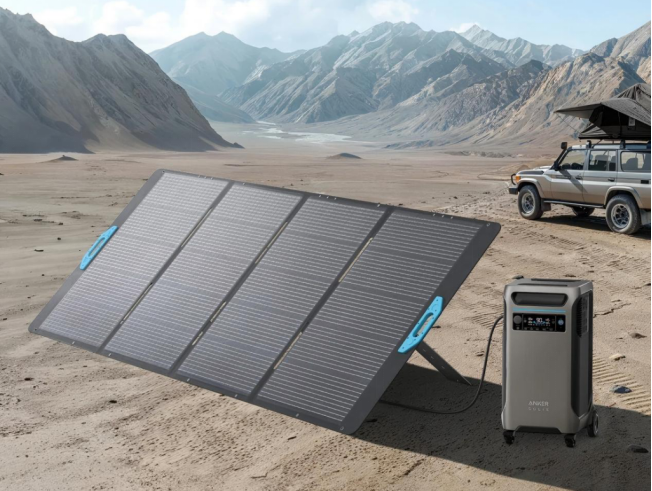
Home solar installations depend heavily on the physical characteristics of the property, which means not every roof, wall, or yard can support the same scale of solar generation. Structural strength, available mounting area, shading, and electrical layout all influence how much solar capacity a household can install. These limits shape long-term energy planning and may reduce how effectively a home captures daily sunlight. Portable solutions such as the Anker SOLIX PS400 Portable Solar Panel help fill gaps by offering adjustable angles, high-efficiency performance, and flexible placement on the ground or in open outdoor spaces. Understanding these structural constraints helps homeowners design systems that work with their environment—not against it.
How Property Design Restricts Solar Installation Potential?
Roof Structure Determines Weight Capacity and Mounting Options
A home’s roof acts as the primary mounting surface for most solar systems, but its condition and design often dictate strict limits. Older roofs may not support additional weight, while certain materials—like clay tiles or aging shingles—can complicate installation. Roof pitch also plays a major role. A very steep roof can make maintenance more difficult, while an extremely flat roof may require angled mounting hardware to collect enough sun. Homeowners with limited roof strength may need to reduce system size or reinforce the structure before panel installation. This is where flexible tools help bridge gaps. A portable option such as the Anker SOLIX PS400 can sit on flat ground, a patio, or a driveway without relying on roof integrity. Its 400W output and 23% conversion efficiency provide supplemental capacity without applying weight or stress to the home’s structure.
Available Surface Area Limits Total Output
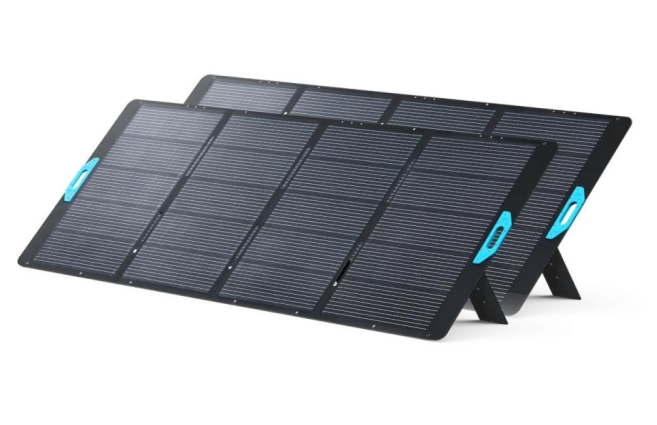
Not every home offers the expansive, unobstructed roof space needed for a large solar array. Dormers, skylights, chimneys, vents, satellite dishes, and complex roof shapes can all reduce usable mounting area. Even when the roof structure is strong enough, fragmented or irregular layouts make it difficult to install multiple rows of panels. This limitation caps the total system size and potentially restricts long-term energy independence goals. Portable panels help supplement rooftop systems because they operate independently of fixed installations. Users can unfold the Anker SOLIX PS400 in the yard, angle it at 30°, 40°, 50°, or 80°, and create temporary high-output surfaces anywhere sunlight is strongest. This flexibility allows homes with smaller roofs to expand solar use beyond structural limits.
Shading and Orientation Shape Power Production
Trees, neighboring buildings, and architectural overhangs often cast shade on roofs at different times of day, reducing solar production in ways that structural analysis alone cannot solve. Even the direction a roof faces influences efficiency: south-facing roofs typically collect the most sunlight, while east- or west-facing surfaces perform better at specific hours but may fall short overall. Homeowners may adjust expectations or reconfigure system layouts to avoid problematic areas. With portable systems, placement becomes far simpler. If a roof faces the wrong direction, users can deploy the PS400 on a surface that receives optimal sunlight—such as an open lawn or sunlit driveway. The ability to reposition panels throughout the year provides a way to bypass fixed-orientation constraints and capture stronger output during seasonal changes.
How Electrical Configuration and Local Requirements Restrict System Size?
Home Electrical Panels Have Capacity Limits
Even if the physical structure can support a large solar array, the electrical infrastructure may impose its own constraints. Many homes have main service panels rated for lower amperage, which restricts the size of solar systems that can legally and safely feed into the grid. Upgrading a service panel requires time, cost, and permitting, and not all homeowners pursue this route. When a home cannot support additional interconnected solar capacity, portable systems offer an alternative pathway. The Anker SOLIX PS400 connects directly to portable power stations rather than the home’s wiring, meaning users can collect solar energy without altering their electrical infrastructure. This expands effective capacity without requiring panel upgrades or complex retrofits.
Local Building Codes and Permits Set Hard Boundaries
Municipal zoning laws, fire codes, and structural regulations often restrict how and where solar panels can be placed. Some areas require setbacks from roof edges, limit array heights, or impose rules for firefighter access. These regulations protect safety but may limit the number of panels a home can install. By contrast, portable systems do not require permanent mounting and often fall outside strict building-code limitations. The PS400’s foldable frame and waterproof IP67-rated design allow it to operate safely in open outdoor spaces without affecting roof compliance. This flexibility helps homeowners maximize solar exposure even when regulations restrict fixed installations.
Grid Interconnection Policies Influence System Scale
Utilities determine how much solar a home can feed back into the grid. In some regions, caps on distributed generation prevent households from installing systems above a certain size. These rules safeguard grid stability but can restrict homeowners who want to expand capacity for energy independence. A portable system bypasses export limits because it stores energy locally instead of sending it to the grid. By harvesting sunlight directly into portable power stations, panels like the PS400 support personal energy resilience without conflicting with interconnection caps. This approach enhances solar benefits for users whose grid agreements limit rooftop system expansion.
Conclusion
Structural, electrical, and regulatory limits shape how much solar power a home can realistically install, but these constraints do not have to reduce homeowners’ overall solar potential. Roof strength, shading, surface area, orientation, and electrical panel capacity all influence system size, while permitting and grid rules create additional boundaries. By understanding these limitations, homeowners can design systems that fit safely and efficiently within their property’s capabilities. Portable solutions such as the Anker SOLIX PS400 Portable Solar Panel add another layer of flexibility by enabling high-efficiency charging, adjustable tilt positioning, and easy sunlight optimization across different surfaces. With thoughtful planning and the right tools, panels solar home users can achieve stronger energy independence and adapt solar capacity to their unique environment.