
Backup power only matters when it works at the exact moment it is needed. Many homeowners install a system and assume it will respond perfectly during the next outage, but batteries and connections require regular attention. A home power battery backup is not a “set it and forget it” device, especially if it supports refrigerators, medical equipment, or internet connectivity. Simple monthly and annual checks can prevent unpleasant surprises during storms or unexpected grid failures. These checks do not require advanced technical knowledge, only consistency and awareness. Small habits—like monitoring charge levels or testing with real appliances—can significantly improve reliability. In this article, practical steps will explain how to confirm that a home backup system is ready before the lights go out.
1. Check the Charge Level Monthly
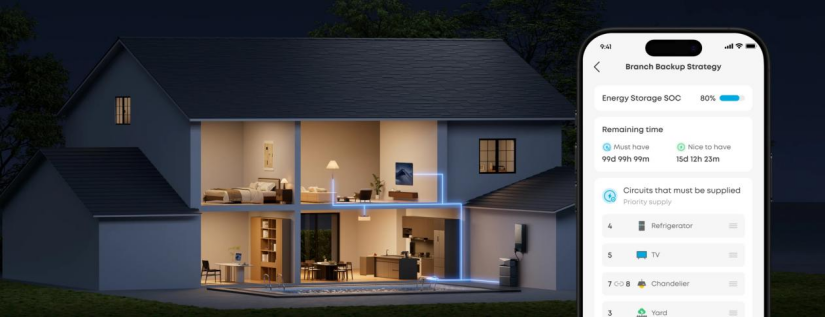
Keeping an eye on battery percentage is one of the easiest and most important maintenance habits. Many systems include digital displays or mobile apps that show current capacity. A quick glance once a month confirms whether the battery remains within a healthy range. Seasonal changes can influence how often the system recharges, especially if solar panels are involved. Without monitoring, it is possible for a battery to sit partially depleted for long periods. Consistent monthly checks build confidence that stored energy will be available when needed.
Battery Should Stay Above 50% for Long Life
Lithium battery systems typically last longer when they are not repeatedly drained to very low levels. Maintaining at least a 50% charge helps preserve long-term performance and reduces unnecessary wear. Advanced home power battery backup, such as the Anker SOLIX E10, is designed with smart energy management and can provide up to 7.6 kW of continuous output while automatically recharging from the grid or solar sources when available. This type of coordinated charging makes it easier to keep capacity comfortably above mid-level rather than cycling from full to empty. Regular monitoring ensures that the battery remains in a stable operating zone rather than hovering near depletion. Over months and years, this habit supports both runtime reliability and overall battery health.
Low Charge Means No Power When You Need It
A backup system with a low battery is essentially an expensive storage box. If an outage occurs while the charge level is near empty, essential appliances may shut down within minutes. Refrigerators, routers, and medical devices require a consistent supply to function properly. Waiting until severe weather approaches to check capacity can create unnecessary stress. Instead, verifying charge levels in advance ensures readiness at all times. Preparedness begins with the simple discipline of keeping the battery adequately charged.

2. Test With a Real Load
Seeing a display light up is not the same as confirming performance under real demand. Connecting actual appliances—such as a refrigerator, space heater, or multiple electronics—provides a clearer picture of system capability. During this test, observe whether the output remains stable and whether any warning indicators appear. Monitoring how quickly the battery percentage decreases also reveals expected runtime under everyday conditions. Performing a brief load test every few months helps detect potential weaknesses before an emergency. Practical testing builds trust that the system will perform reliably when fully relied upon.
3. Inspect Cables and Ports for Damage
Physical connections play a critical role in backup performance. Over time, plugs, extension cords, and connection ports may loosen or collect dust. Inspecting cables for fraying, discoloration, or bending prevents small issues from becoming major failures. Outdoor components should be checked for moisture exposure or debris buildup. Ensuring that connections remain secure and clean supports safe and efficient energy transfer. Routine visual inspection takes only minutes but contributes significantly to system dependability.
4. Verify Solar Input (If You Have Panels)
Homes with solar panels should confirm that the charging input matches expectations. Solar integration adds convenience but also introduces additional components that require periodic review. Checking performance on a clear day provides the most accurate assessment. A healthy solar connection reduces dependence on grid charging and keeps the battery ready more consistently. Without verification, unnoticed panel misalignment or shading can limit charging efficiency. Regular checks ensure that renewable energy remains a reliable part of the backup strategy.
Place Panels in the Sun and Check Charging Rate
Solar panels should be positioned to receive direct sunlight without obstruction. Even partial shading from trees or nearby structures can reduce charging output significantly. Observing the charging rate during peak daylight hours helps determine whether the system is performing as expected. If the input appears unusually low, repositioning panels or cleaning surfaces may improve results. Consistent sunlight exposure maximizes stored energy before an outage occurs. Effective solar placement directly influences backup readiness.
Confirm System Recharges As Expected
After a partial discharge test, verify that the system replenishes its battery within a reasonable timeframe. Monitoring recharge speed reveals whether both solar and grid inputs are functioning properly. If charging takes significantly longer than normal, it may signal a configuration issue. Confirming recharge behavior ensures that the battery will return to a safe capacity before the next outage. Reliable recharge cycles maintain steady preparedness year-round. Consistency in charging builds long-term confidence in the entire system.
5. Listen for Unusual Noises
Most battery-based backup systems operate quietly. Sudden buzzing, clicking, or irregular fan sounds may indicate internal issues. Listening carefully during operation provides early warning of mechanical or electrical problems. While occasional fan noise under heavy load is normal, persistent, unusual sounds deserve attention. Identifying irregularities early can prevent unexpected shutdowns later. Calm, attentive observation supports safe long-term performance.
6. Run a Full Discharge Test Annually
An annual full test provides the most realistic confirmation of runtime expectations. Simulating a brief outage by disconnecting grid power allows observation of how long essential appliances remain operational. During this test, track the duration and note any irregular behavior. Annual testing ensures that the system continues to meet household demands. It also reinforces familiarity with how the backup responds during real interruptions. Planned simulation is far less stressful than unexpected failure.
Simulate an Outage to Confirm Runtime
Disconnecting grid input under controlled conditions replicates real outage behavior. Observing how the system transitions and supports connected appliances reveals true capacity. This test clarifies how many hours refrigerators, lighting, and internet equipment can operate simultaneously. Recording runtime provides a practical benchmark for future planning. Realistic simulation reduces uncertainty about performance limits. Confidence grows when expectations match measurable results.
Better to Discover Problems Now Than in the Dark
Finding an issue during routine testing is far preferable to discovering it during a storm. Minor configuration errors or aging components are easier to address under normal conditions. Scheduled evaluation prevents urgent troubleshooting when visibility and comfort are limited. Proactive maintenance protects food, connectivity, and essential medical devices. Consistent testing transforms backup power into a dependable safeguard rather than a hopeful assumption. Preparedness thrives on verification, not guesswork.
Conclusion
A reliable backup system depends on regular attention and simple, practical checks. Monitoring charge levels, testing real loads, inspecting connections, and confirming recharge performance all contribute to long-term stability. Occasional simulation of outages builds familiarity and reveals realistic runtime expectations. Maintaining a healthy battery level and ensuring smooth automatic operation protects both comfort and safety. These small habits require minimal effort yet provide significant reassurance. When properly maintained, a home power battery backup stands ready to support daily life whenever the grid falls silent.